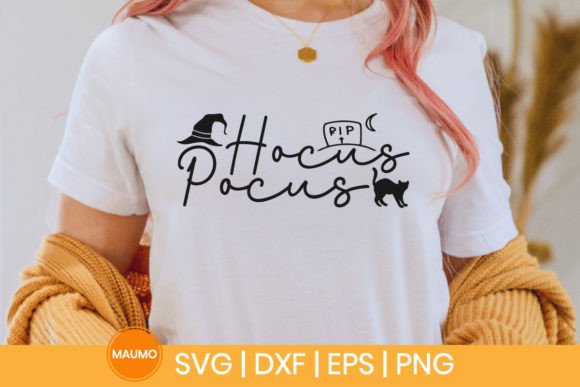
Hocus Pocus Halloween SVG Quote: Graphics for Crafts & Campaigns
As a brand designer and content marketer who’s helped over 200 small businesses refine their visual voice—especially around seasonal launches—I opened Hocus Pocus, Halloween Svg Quote expecting playful charm. What I found was something more strategic: a tight, scalable graphic design asset that balances nostalgia with clarity—and delivers real value across marketing touchpoints.
First Impression: Nostalgic, Not Noisy
The moment you import the file, it reads as *intentional*. It’s not just spooky—it’s warmly theatrical. The letterforms carry subtle curvature and spacing that echo vintage signage, yet the vector precision ensures crisp scaling from Instagram story to tote bag print. For brands rooted in handmade products, lifestyle content, or boutique retail, this tone builds instant audience trust: it signals authenticity without sacrificing polish. It leans into casual branding beautifully—but doesn’t feel cheap, cluttered, or overly juvenile. That distinction matters when your audience includes online coaches launching October challenges or creative entrepreneurs selling curated digital product bundles.
Where This SVG Design Earns Its Place in Real Campaigns
I recently used Hocus Pocus, Halloween Svg Quote in a social media refresh for a small-batch candle brand preparing its “Spooktacular Sale.” We deployed it across six key assets:
- Social media graphics: As a centered hero element on Pinterest pins—paired with a muted terracotta background and clean sans serif body text—to drive traffic to their limited-time offer.
- Digital ads: Layered subtly behind product shots in Facebook carousel ads, adding thematic cohesion without competing with the CTA.
- Email banners: Resized to 600px wide and placed above the fold in a seasonal newsletter—creating stronger first impression and clearer visual hierarchy than plain text ever could.
- Printable promotions: Embedded in a free “Halloween Content Kit” lead magnet (PDF + Canva template), reinforcing brand identity while offering tangible value.
- Packaging accents: Printed at 1.5” height on kraft gift tags and inner box liners—elevating unboxing moments without requiring custom illustration.
- Merchandise mockups: Applied to t-shirt, mug, and cushion templates in our client pitch deck—demonstrating versatility and commercial design readiness.
This is where Hocus Pocus, Halloween Svg Quote shines—not as a standalone logo design or packaging design anchor, but as a flexible, emotionally resonant decorative brand element that strengthens recognition and deepens connection.
What It Supports—And What It Doesn’t Replace
Let’s be clear: this isn’t a logo design solution or a full brand identity system. But as a graphic design asset, it actively supports goals like improved audience trust, stronger recognition, and more memorable campaign visuals. It works exceptionally well inside editorial design layouts, blog graphics, web design headers, and branded templates—especially when paired with consistent typography and color use. It also performs reliably in content marketing contexts: think Instagram posts teasing seasonal offers, printable promotions for bloggers, or Canva templates for digital sellers building themed content kits.
That said, avoid using Hocus Pocus, Halloween Svg Quote in formal corporate branding, dense information layouts (like comparison charts or legal disclaimers), or low-contrast backgrounds where readability suffers. It’s less effective in text-heavy ads or on mobile screens under 200px width—so always test scalability. And if your brand voice leans toward ultra-minimalist or monochrome modern design, this asset may clash rather than complement.
Practical Brand Designer Notes You Can’t Skip
Before dropping this SVG into your next campaign, run these checks:
- Test it against your brand color palette—does it harmonize with your primary and secondary hues, or does it demand a seasonal palette shift?
- Check black-and-white usage—many crafters print in grayscale; verify legibility and contrast.
- Place it inside real campaign mockups, not just blank artboards—see how it breathes beside photography, icons, and body copy.
- Preview on mobile—especially in email clients and Stories—where spacing and scale make or break engagement.
- Compare it to competitor visuals—does it help you stand out, or blend in too easily?
- Pair it with fonts: It holds up well with friendly sans serifs (like Montserrat) and elegant serifs (like Playfair Display), but can overwhelm delicate script or handwritten fonts unless carefully balanced.
- Review spacing and balance—vector files give control, but poor placement undermines professionalism.
- Confirm commercial licensing—this is essential before using in paid campaigns, client work, or any business branding context.
Why Creative Entrepreneurs Keep Coming Back to This Type of Asset
In the creative marketplace, time is the scarcest resource. Hocus Pocus, Halloween Svg Quote saves hours—not just in design execution, but in strategic alignment. It bridges the gap between “I need something festive” and “I need something that feels like *us*.” For bloggers building seasonal content calendars, digital sellers curating holiday-themed design bundles, or small business owners refreshing their visual toolkit ahead of Q4, this SVG design delivers speed *and* substance. It’s a printable design with purpose—a commercial design asset that supports storytelling, not just decoration.
A Final Note on Context Over Clipart
Don’t mistake Hocus Pocus, Halloween Svg Quote for generic clipart. Its strength lies in its specificity: it’s not just “a Halloween phrase”—it’s a culturally resonant line delivered with typographic intention. When used thoughtfully—as part of a broader visual strategy—it becomes part of your brand’s seasonal vocabulary. That’s how graphic design assets evolve from disposable decoration into durable marketing visuals. Whether you’re designing packaging inserts, social media covers, or digital product visuals, treat it like a supporting actor: give it space to shine, align it with your core message, and let it do what it does best—evoke feeling, reinforce theme, and invite attention—without asking for explanation.