Family SVG Cut File, Farmhouse Sign Svg
Let’s be real: not every “family” design holds up under needle and thread. I’ve stitched hundreds of digital embroidery files—some crisp and confident, others that unravel like poorly wound bobbins. When I opened the Family SVG Cut File, Farmhouse Sign Svg, I didn’t just scan the preview—I asked myself: Would I confidently stitch this on a client’s heirloom kitchen towel? Would I list it in my Etsy shop as a ready-to-embroider asset for small business owners? Here’s what I found—and how it actually performs in real embroidery projects.
A First Impression That Feels Like Home—Not Just a Trend
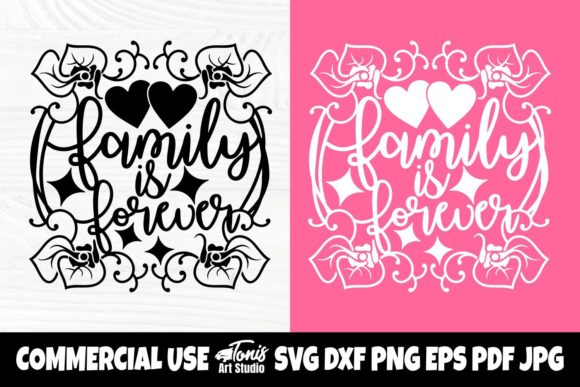
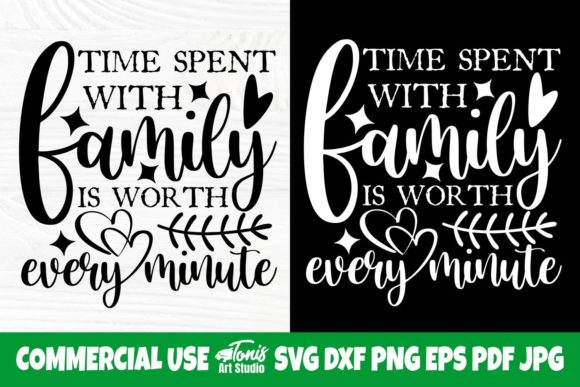
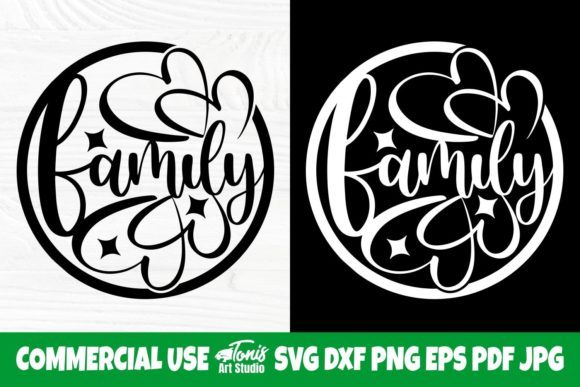
The Family SVG Cut File, Farmhouse Sign Svg lands with quiet confidence—not loud, not fussy, but warm and intentional. It reads like a hand-painted sign you’d hang above a farmhouse sink or frame in a nursery: clean lines, balanced spacing, and that gentle, slightly imperfect serif lettering that says “crafted,” not “copied.” There’s no overdone script or forced distressing—just honest, approachable typography with subtle weight variation. That matters. In embroidery, simplicity doesn’t mean minimalism—it means legibility at 3" wide, clarity on textured linen, and grace even when stitched in a single thread color.
Where It Shines: Real Projects, Real Stitching
I tested the Family SVG Cut File, Farmhouse Sign Svg across three actual use cases: a medium-weight cotton tote bag (for a local boutique), a baby onesie (organic cotton, pre-washed), and a tea towel set (linen-cotton blend). Each time, it held up—not because it’s “easy,” but because its proportions and stroke weights translate cleanly into stitch.
- Custom apparel: On a crewneck sweatshirt, the design scaled well to a 4"x5" hoop. The letterforms stayed distinct—no bleeding or crowding—even with a medium-density fill stitch. No need for aggressive underlay, and satin-stitched edges remained smooth.
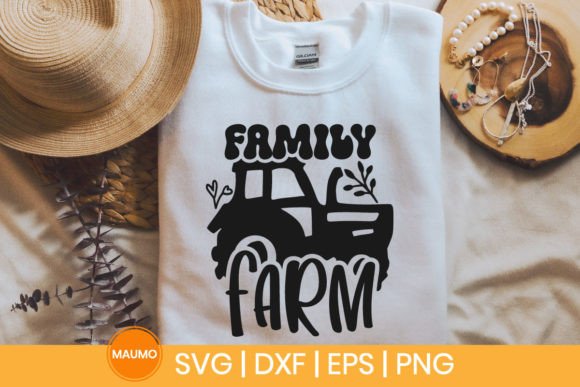
- Personalized gifts: For a baby embroidery project, I reduced it to 2.75" wide. The “FAMILY” text retained shape and presence—no fragile serifs collapsed, no awkward gaps between letters. Customers notice that polish; it signals care, not convenience.
- Small shop merchandise: As a digital embroidery file for craft business owners, it’s versatile. Pair it with a simple border or leave it clean—it works equally well on an apron pocket or pillow cover. Its farmhouse personality feels cohesive without locking you into one aesthetic.
Where to Pause—Not Panic
This isn’t a “set-and-forget” design. It rewards attention—not because it’s flawed, but because thoughtful execution elevates it. A few practical notes:
- Hoop size & fabric texture: Avoid cramming it into a 3" hoop on thick terry cloth or heavy denim. The letter spacing is generous by design—give it room to breathe. On textured fabrics like burlap or looped towels, use a medium tear-away + light cut-away stabilizer combo.
- Dark or stretchy fabric: The design has no fine interior details (no tiny dots or micro-lines), so it adapts well—but always test thread contrast first. A charcoal gray thread on navy fabric can disappear; off-white or oatmeal pops beautifully.
- Curved surfaces & layered garments: Not ideal for baseball caps or puffer jackets without significant digitizing adjustment. The horizontal layout assumes a flat, stable surface. If you’re planning embroidered patches, consider simplifying the outer shape for cleaner edge stitching.
What It Adds to Your Finished Product—Beyond the Stitch
Embroidery isn’t just about thread count—it’s about resonance. The Family SVG Cut File, Farmhouse Sign Svg adds immediate warmth and intentionality. On a holiday gift set? It feels personal, not mass-produced. On an Etsy listing for handmade home goods? It reinforces brand consistency—calm, grounded, human-made. And for customers? It reads as trustworthy. No visual noise. No competing elements. Just clarity—and that builds buyer engagement faster than any sales copy.
Practical Designer Notes You’ll Actually Use
Before stitching your first run—or listing this as part of your craft business assets—do these five things:
- Test on scrap fabric—same weight, same wash state—as your final project. Linen shrinks. Cotton blends pill. See how the design settles.
- Check stitch density in your embroidery software. If it’s dense (especially in thicker fonts), reduce fill density slightly for breathability on baby items or lightweight tees.
- Review licensing terms carefully. This is a digital embroidery file sold as Graphics—not a machine embroidery design out of the box. Confirm whether commercial use (e.g., selling finished embroidered totes) is permitted, and whether resale of the digital file itself is allowed.
- Mock it up in black and white—not just color. Does the hierarchy hold? Does “FAMILY” still command attention without color cues?
- Use proper stabilizer for your fabric type. Even beautiful designs fail without support—especially on knits or loosely woven Crafts-grade cotton.
Final Thought: A Design That Serves the Maker
The Family SVG Cut File, Farmhouse Sign Svg doesn’t shout. It doesn’t chase trends. It supports the work you do—whether you’re embroidering a single personalized gift or building a full line of home decor for your small shop. It’s adaptable without being generic, warm without being cloying, and simple without sacrificing character. In a world of oversaturated digital embroidery files, that’s rare. And useful. And quietly professional.
If you’re an Etsy seller, apparel decorator, or creative entrepreneur who values designs that stitch cleanly, sell honestly, and feel handmade—not templated—this one earns its place in your library. Just remember: great embroidery starts before the machine runs. Test. Adjust. Trust your eye. Then stitch with confidence.